The Electric Future: Exciting, Yet Uncertain.
The shift toward electric vehicles is no longer a far-off possibility. Across the world, governments are encouraging cleaner mobility, automakers are redesigning their product offerings, and consumers are gradually shifting toward electric alternatives. Yet beneath the excitement around EVs, there is also a sense of hesitation. For many people, the future of mobility feels both promising and uncertain. The uncertainty is not just about technology; it is about the environment around it. Global sustainability policies are evolving, regulatory frameworks change frequently, and incentives for electric vehicles vary by region. For consumers, especially those considering their first EV, this creates a complex decision. Buying an electric vehicle is not simply a purchase of a new mode of transport. It means entering a new ecosystem of charging infrastructure, battery management, software updates, and long-term ownership considerations. In such a landscape, one factor becomes increasingly important: trust.
Changing Expectations in the Automotive World
Over the past decade, technology companies have transformed the way people experience products. Smartphones learn user behavior, streaming platforms recommend content, and apps anticipate needs before they are expressed. Naturally, these expectations have begun to shape how people think about vehicles as well.
Today’s drivers want more than just performance or mileage. They expect vehicles that are intelligent, connected, and capable of improving over time. Software updates should happen seamlessly. Navigation systems should learn driving patterns. Vehicles should feel intuitive and responsive rather than static machines that remain unchanged after purchase. For automakers, this shift has redefined success. Engineering strength and manufacturing excellence still matter, but they must now be supported by digital capabilities and software intelligence. Vehicles are becoming platforms that evolve over time rather than products that remain fixed from the day they leave the factory.
Why Legacy Brands Still Matter
Amid this technological shift, legacy automotive brands hold a powerful advantage: credibility built over decades. For years, customers have trusted these brands for reliability, service networks, and long-term support. This trust was built through consistent performance, dependable service, and strong relationships with customers. Even as technology evolves, these foundations remain highly relevant. Electric vehicles raise fresh issues for consumers. Battery health, charging convenience, and long-term durability are among the most common questions consumers ask before making the switch. Many people also wonder how servicing and repairs will work in the future. In such situations, brands with established credibility have a unique role to play. When customers recognize a company’s legacy of reliability, they feel more confident embracing newer technologies introduced by that brand.
The Rise of Electric Two-Wheelers in India
While electric mobility is gaining momentum worldwide, India is witnessing a particularly interesting transformation in the two-wheeler segment. Motorcycles and scooters form the backbone of personal mobility across the country. Millions of people depend on them for daily commuting, deliveries, and everyday errands. Their affordability and practicality make them one of the most widely used forms of transportation. This is precisely why electric two-wheelers represent such a powerful opportunity. Compared to larger vehicles, they offer a faster and more accessible path toward widespread electric adoption. Electric scooters and motorcycles provide several immediate benefits. They produce zero tailpipe emissions, operate quietly, and significantly reduce daily fuel expenses for riders. In densely populated urban environments, these advantages become even more meaningful. However, the transition from petrol-powered vehicles to electric alternatives still requires confidence from consumers. Riders who have relied on internal combustion engines for decades need reassurance that electric vehicles will deliver the same level of dependability.
Addressing Range Anxiety and Battery Concerns
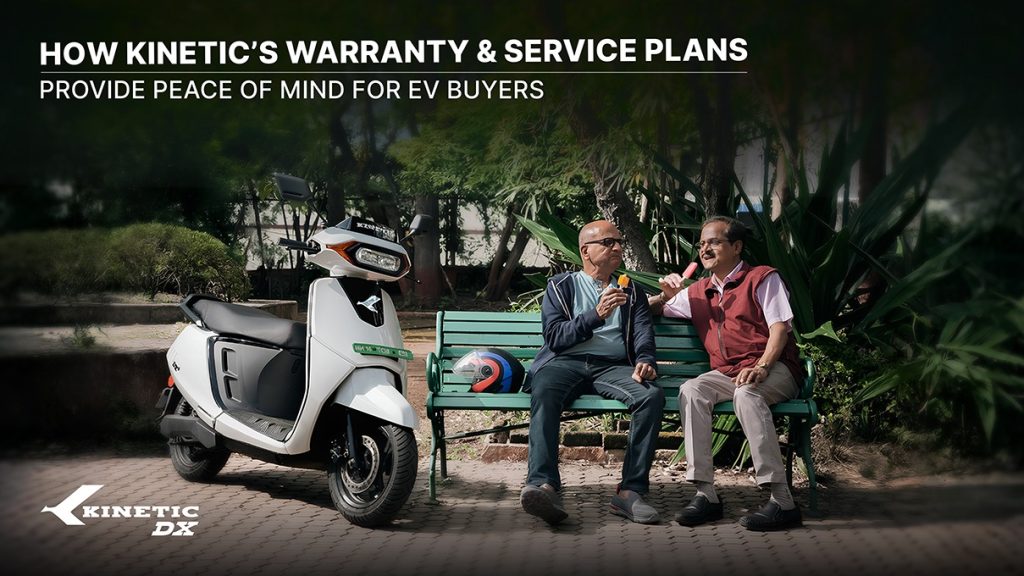
One of the biggest psychological barriers to EV adoption is range anxiety. Riders often worry about how far their vehicle can travel on a single charge and whether charging infrastructure will be available when needed. Another major concern revolves around battery longevity. Since the battery is the most critical component of an electric vehicle, consumers naturally want clarity about its lifespan, maintenance requirements, and replacement costs. This is where warranty and service commitments play a crucial role. A strong battery warranty provides financial security and reassurance to the buyer. It signals that the manufacturer has confidence in the durability and performance of its technology. Extended warranty programs covering several years or thousands of kilometers demonstrate that the brand stands firmly behind its product. For many first-time EV buyers, this reassurance can make the difference between hesitation and adoption.
Service Ecosystems: The Backbone of EV Confidence
While warranties address long-term concerns, service infrastructure plays an equally important role in building trust. Electric vehicles have fewer moving parts compared to traditional engines, but they still require trained technicians, diagnostic systems, and specialized service protocols. Software updates, battery diagnostics, and electrical systems all require expertise. Brands with established service networks are better equipped to deliver this support consistently. When riders know that trained technicians and service centers are accessible nearby, they feel far more comfortable adopting new technology. Service ecosystems, therefore, become a critical pillar of the EV ownership experience.
Kinetic’s Legacy of Reliability
Few names in India’s mobility landscape carry the kind of heritage that Kinetic does. For decades, the brand has been associated with practical mobility solutions that prioritize reliability and accessibility. Generations of Indian riders have grown up with Kinetic products, trusting them for everyday transportation. This long-standing relationship has created a deep connection between the brand and its customers. As the industry transitions toward electric mobility, Kinetic is building on this legacy rather than starting from scratch. The company’s EV approach reflects years of understanding Indian riders, their commuting patterns, and their expectations from a vehicle. Instead of focusing solely on launching electric products, the brand is strengthening the entire ownership ecosystem around them.
Strengthening Warranty and Service for the EV Era
Kinetic’s strategy emphasizes long-term confidence for EV buyers. By offering strong warranty coverage and reliable service support, the brand aims to address the most common concerns associated with electric vehicles. Extended battery warranties help reassure customers about long-term performance and durability. At the same time, strengthening service networks ensures that riders receive dependable support throughout their journey. This combination of technology and trust becomes particularly powerful in a market like India, where purchasing decisions are often guided by practicality and long-term value. For consumers, knowing that a trusted brand stands behind its electric vehicles with warranty and service commitments provides an additional layer of confidence.
Trust: The Driving Force Behind the EV Transition
The transition to electric mobility is often discussed in terms of technological innovation and environmental impact. But at its core, it is also about relationships between brands and people. Consumers are more likely to embrace new technologies when they are introduced by companies they already trust. Familiar brands act as bridges between traditional mobility and the future of transportation. By combining modern electric technology with decades of service expertise, companies like Kinetic demonstrate that innovation and heritage can move forward together. The future of mobility may be electric, connected, and software-driven. Yet the principle guiding it remains unchanged. Trust is still the most powerful engine of progress.